The Unforgettable Legacy of Lee Iacocca
When you talk about titans of American industry, especially in the automotive world, Lido Anthony “Lee” Iacocca's name always comes up. He was more than just a businessman; he was an icon, a truly charismatic leader who personified the American spirit of ingenuity and resilience. I find it absolutely fascinating how one individual could ascend to such heights at Ford, be abruptly fired, and then go on to perform one of the most remarkable corporate turnarounds in history with Chrysler. His story isn't just about cars; it's a powerful narrative about leadership, determination, and believing in what's possible, even when the odds are stacked against you.
Born in Allentown, Pennsylvania, in 1924 to Italian immigrant parents, Iacocca’s early life certainly instilled in him a strong work ethic. His father, Nicola, ran several businesses, providing young Lee with an early exposure to the challenges and rewards of entrepreneurship. He wasn't born into privilege; he earned every step. After earning an engineering degree from Lehigh University and a master's from Princeton, he didn't immediately jump into a high-flying corporate role. Instead, in 1946, he joined Ford Motor Company as an engineer. What's interesting is that he quickly realized his passion wasn't in engineering, but in sales and marketing. And boy, was he good at it.
Revolutionizing Ford: The Mustang Era
His shift to sales was a game-changer, not just for him, but for Ford. He quickly moved up the ranks, demonstrating an incredible knack for understanding what consumers wanted. Iacocca had a keen intuition, almost a sixth sense, for identifying market gaps and developing products to fill them. His early success with a unique sales campaign in the Philadelphia district caught the eye of top executives, propelling him into national marketing roles.
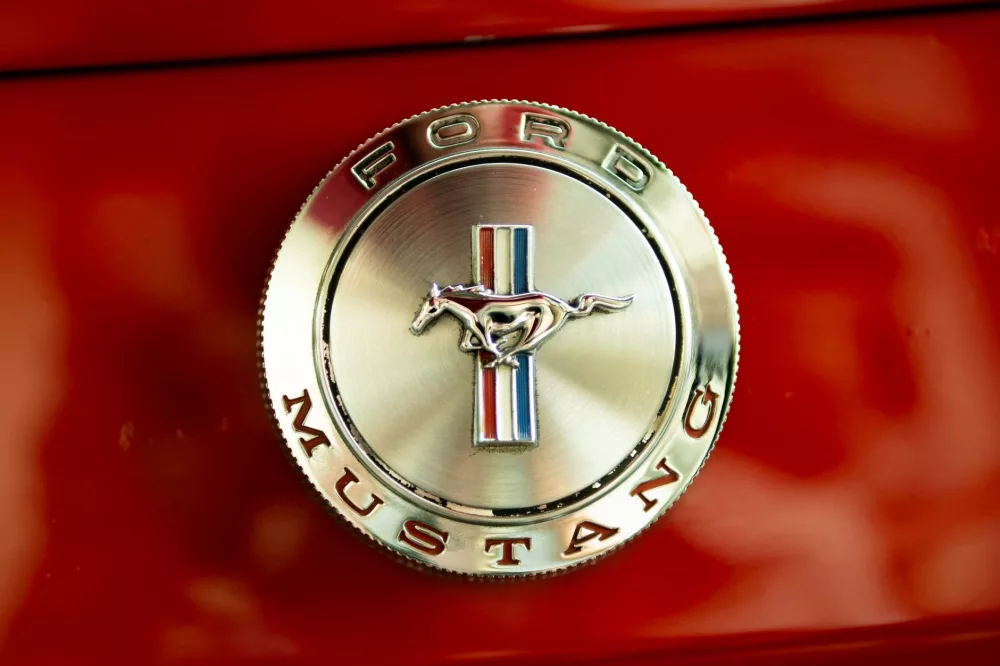
Of all his accomplishments at Ford, one creation stands head and shoulders above the rest: the Ford Mustang. This car wasn't just another model; it was a cultural phenomenon. Introduced in 1964, the Mustang was Lee Iacocca's baby. He envisioned a stylish, affordable, and sporty car that appealed to the burgeoning youth market – particularly the Baby Boomers. He championed its development, pushing for a design that broke away from the family-sedan mold, yet utilized existing Ford components to keep costs down. The results were staggering:
- Instant Success: The Mustang sold over 400,000 units in its first year, vastly exceeding projections.
- Cultural Icon: It became synonymous with American cool, freedom, and a new generation.
- Strategic Marketing: Iacocca’s marketing blitz was brilliant, creating immense anticipation and desire.
The Mustang's success solidified Iacocca's reputation as a product visionary. He continued to ascend, becoming president of Ford in 1970. He oversaw the development of several other important vehicles, including the Maverick and the Pinto, though the latter unfortunately became embroiled in safety controversies later on. Despite his undeniable successes, his relationship with Henry Ford II, the company's chairman, grew increasingly strained. It was a clash of personalities, certainly, but also differing visions for the company's future. Henry Ford II, notoriously autocratic, viewed Iacocca's rising prominence as a threat. And so, in 1978, in one of the most famous firings in corporate history, Lee Iacocca was let go from the company he'd helped build into an automotive giant.
The Chrysler Challenge: A Stunning Comeback
Most people might've retired or perhaps sought a less demanding role after such a public dismissal. Not Iacocca. At 54 years old, he embraced what seemed like an impossible challenge: taking over a failing Chrysler Corporation. Chrysler was hemorrhaging money, teetering on the brink of bankruptcy, and was widely considered a lost cause. It was a truly dire situation, one that would have broken a lesser leader.
Iacocca stepped in as CEO in late 1978. He quickly identified the problems: bloated management, inefficient production, and a lack of competitive products. He understood that drastic measures were necessary. We can see his genius shine through here, in his willingness to make tough choices and rally people behind a seemingly hopeless cause. He approached the U.S. government for a loan guarantee – a controversial and unprecedented request for a private corporation. He argued that saving Chrysler wasn't just about the company; it was about protecting hundreds of thousands of jobs and preventing a catastrophic ripple effect on the American economy.
He didn't just ask for help; he proved he was committed. He famously accepted a salary of one dollar a year until Chrysler was profitable again. This act, alongside intense lobbying and public campaigning (